DIY Appliance Repair Tips: What You Can Do Yourself and When to Call an Expert
Understanding DIY Appliance Repair
When an appliance breaks down, it can be tempting to immediately call a professional. However, many minor issues can be resolved without expert intervention. Understanding the basics of DIY appliance repair can save you time and money. In this post, we'll explore what you can tackle on your own and when it's best to seek professional help.
Simple Repairs You Can Do Yourself
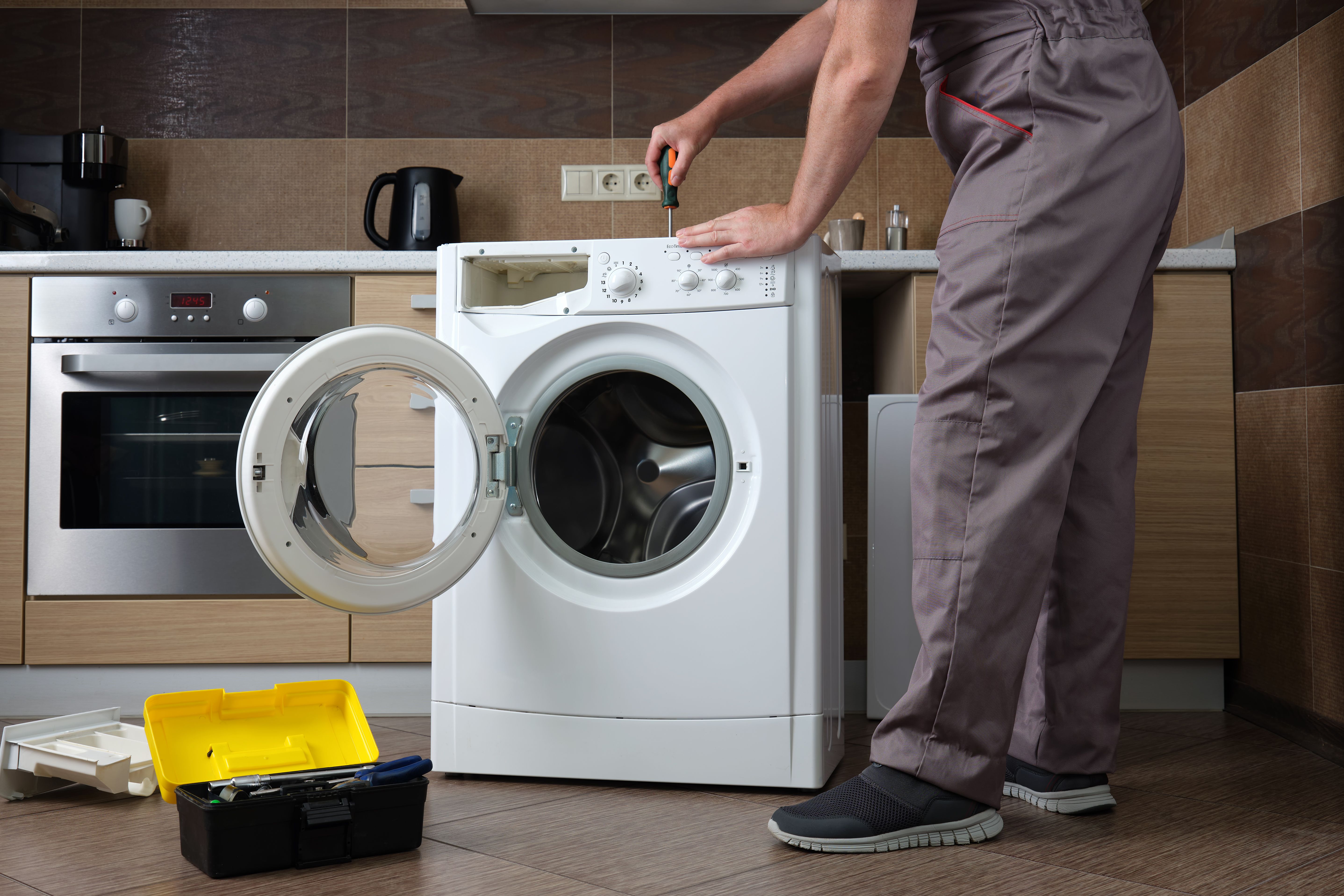
Before diving into any repair, always ensure that the appliance is unplugged to prevent electrical shock. Many common appliance problems stem from simple issues that are easy to fix. For instance, a refrigerator that's not cooling properly might just need a coil cleaning. Using a vacuum or a coil brush, you can remove dust and debris that hinder performance.
Another frequent issue is a clogged dishwasher filter. Regularly cleaning the filter can maintain the appliance's efficiency. Simply remove the filter, rinse it under warm water, and replace it.
Tools You'll Need
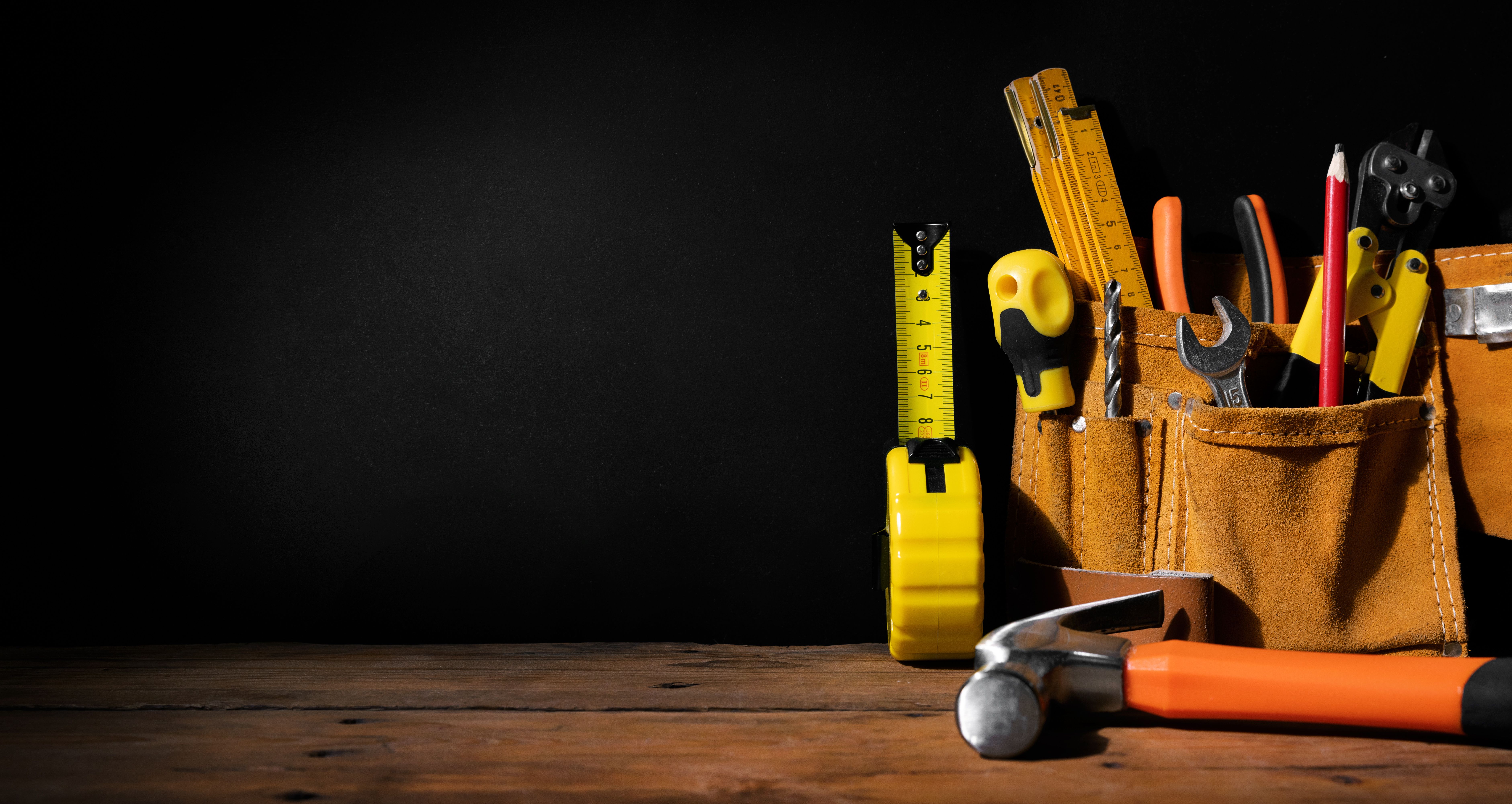
Having the right tools on hand can make DIY repairs much easier. Consider adding the following to your toolkit:
- Screwdriver set
- Multimeter for checking electrical connections
- Adjustable wrench
- Pliers
When to Call an Expert
While many repairs are manageable, some situations require a professional's expertise. If you're dealing with a gas appliance, such as a stove or dryer, it's crucial to call an expert. Gas repairs can be dangerous and require specialized knowledge.
Similarly, if your repair involves handling complex electrical components or if you're unsure about the problem, it's best to reach out to a professional. Attempting repairs without adequate knowledge can lead to further damage or even injury.
Complex Issues Requiring Professional Attention
Certain appliance issues are beyond the scope of DIY repairs. For example, a washing machine with a broken motor or a refrigerator with a coolant leak needs expert attention. These problems require specific tools and expertise to resolve safely and effectively.
Maintaining Your Appliances
Regular maintenance can prevent many common appliance issues. Simple actions like cleaning filters, checking seals, and inspecting hoses for cracks can extend the life of your appliances. Establishing a routine maintenance schedule can save you from costly repairs in the future.
By understanding the difference between minor DIY fixes and issues requiring professional help, you can keep your appliances running smoothly and efficiently. Remember, when in doubt, it's always safer to consult a professional.