DIY Troubleshooting for Common Appliance Issues
Introduction to DIY Appliance Troubleshooting
Home appliances are essential to our daily routine, but they can occasionally run into problems. Knowing some basic DIY troubleshooting techniques can save time and money. Whether it’s a refrigerator not cooling or a washing machine not spinning, having some tips up your sleeve can be incredibly useful.
Refrigerator Not Cooling
A common issue with refrigerators is their failure to cool properly. Before calling a technician, check these potential problems:
- Thermostat Settings: Ensure the thermostat is set to the correct temperature.
- Dirty Condenser Coils: Dusty coils can prevent the fridge from cooling efficiently. Clean them with a vacuum or a brush.
- Door Seals: Inspect the seals for any cracks or gaps that might be letting air escape.
Washing Machine Not Spinning
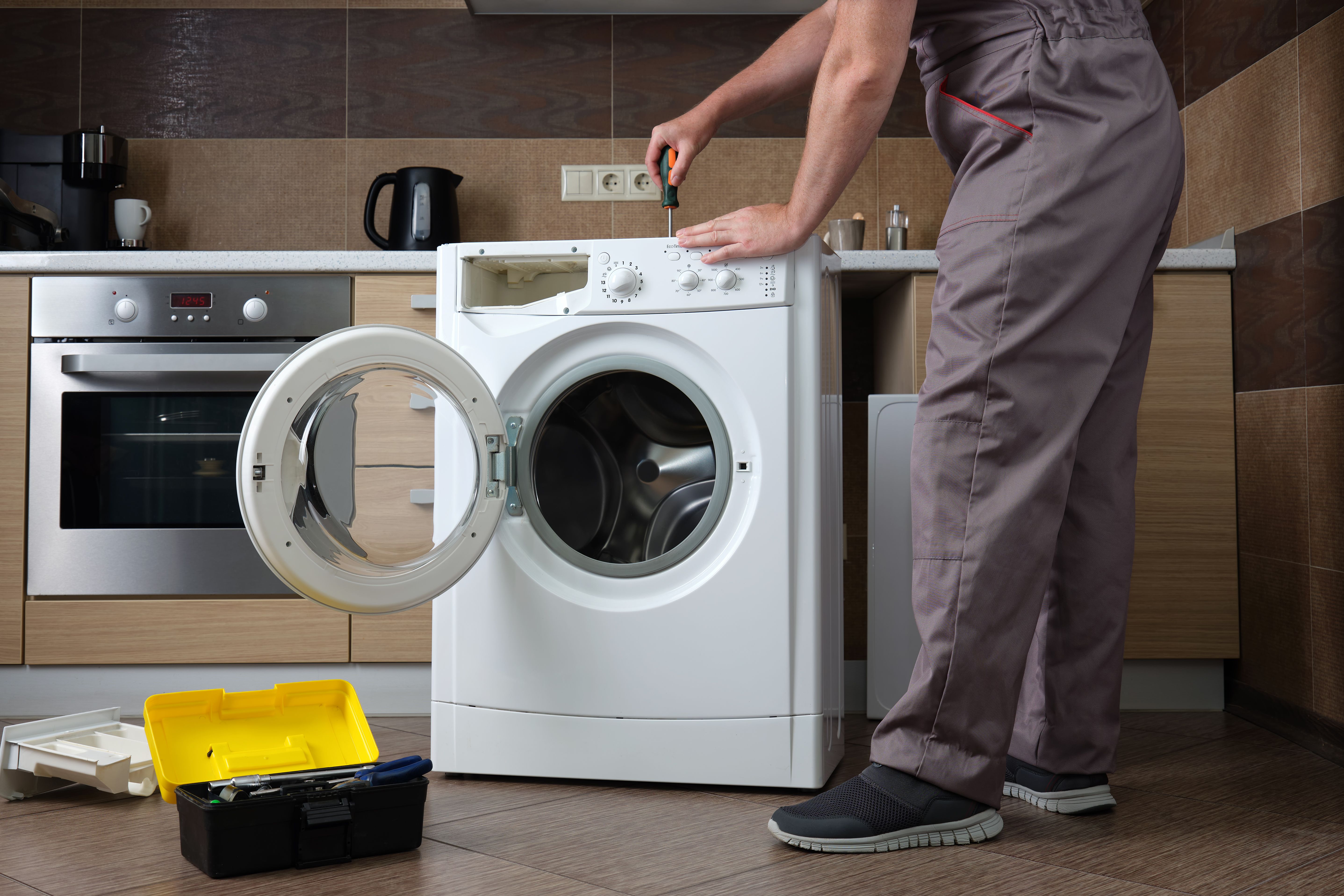
If your washing machine isn't spinning, it could be due to a variety of reasons. Here’s what you can do:
- Balance the Load: An uneven load can cause the machine to stop spinning. Redistribute the clothes evenly.
- Check the Lid Switch: The machine won't spin if the lid switch is faulty. Listen for a click when you close the lid.
- Inspect the Drive Belt: A worn or broken drive belt can prevent spinning. Replace it if necessary.
Dishwasher Not Draining
A dishwasher that doesn't drain can lead to a messy kitchen. Before you panic, try these solutions:
- Clear the Filter: A clogged filter can prevent proper drainage. Remove and clean it regularly.
- Check the Drain Hose: Ensure the drain hose is free from kinks or blockages.
- Garbage Disposal Connection: If connected to a garbage disposal, make sure it's clear and functioning correctly.
Oven Not Heating
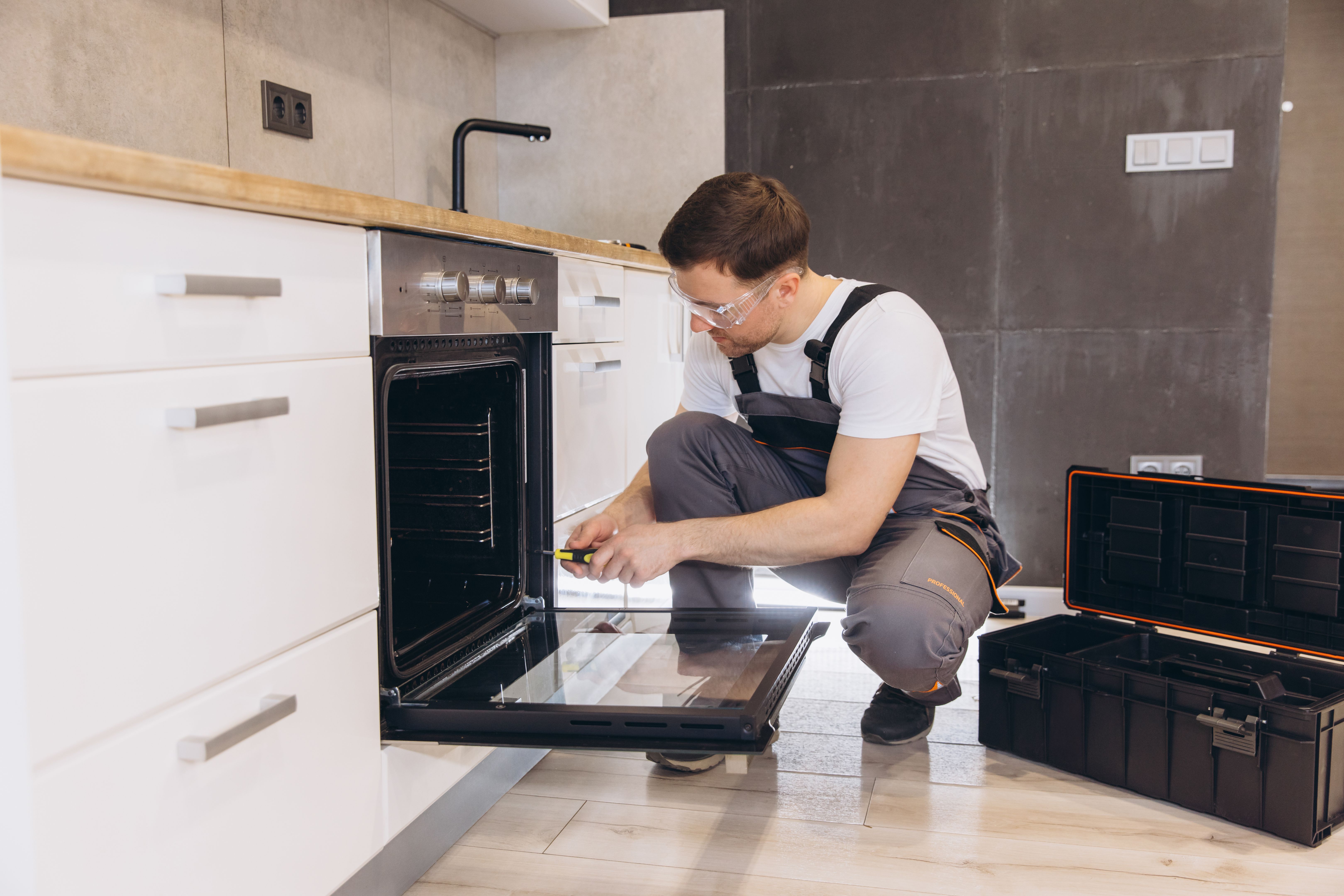
An oven that won’t heat can disrupt meal prep. Here are some things to check:
- Inspect the Heating Element: Check if the element is glowing red. If not, it may need replacing.
- Thermostat Calibration: Ensure the thermostat is calibrated correctly by using an oven thermometer to check accuracy.
- Examine the Igniter: For gas ovens, a faulty igniter can prevent heating. Replace it if it doesn’t glow.
Conclusion
Troubleshooting common appliance issues can be straightforward with the right guidance. By following these DIY tips, you might resolve the problem without needing professional help. However, always ensure your safety first and consult a professional if you're unsure or if the issue persists.