How to Prevent Costly HVAC Repairs: Maintenance Tips from the Pros
Regular Filter Changes
One of the simplest ways to prevent costly HVAC repairs is by changing the air filters regularly. Dirty or clogged filters can cause your system to work harder, leading to potential breakdowns. Experts recommend checking filters every month and replacing them every 1-3 months, depending on usage and filter type.
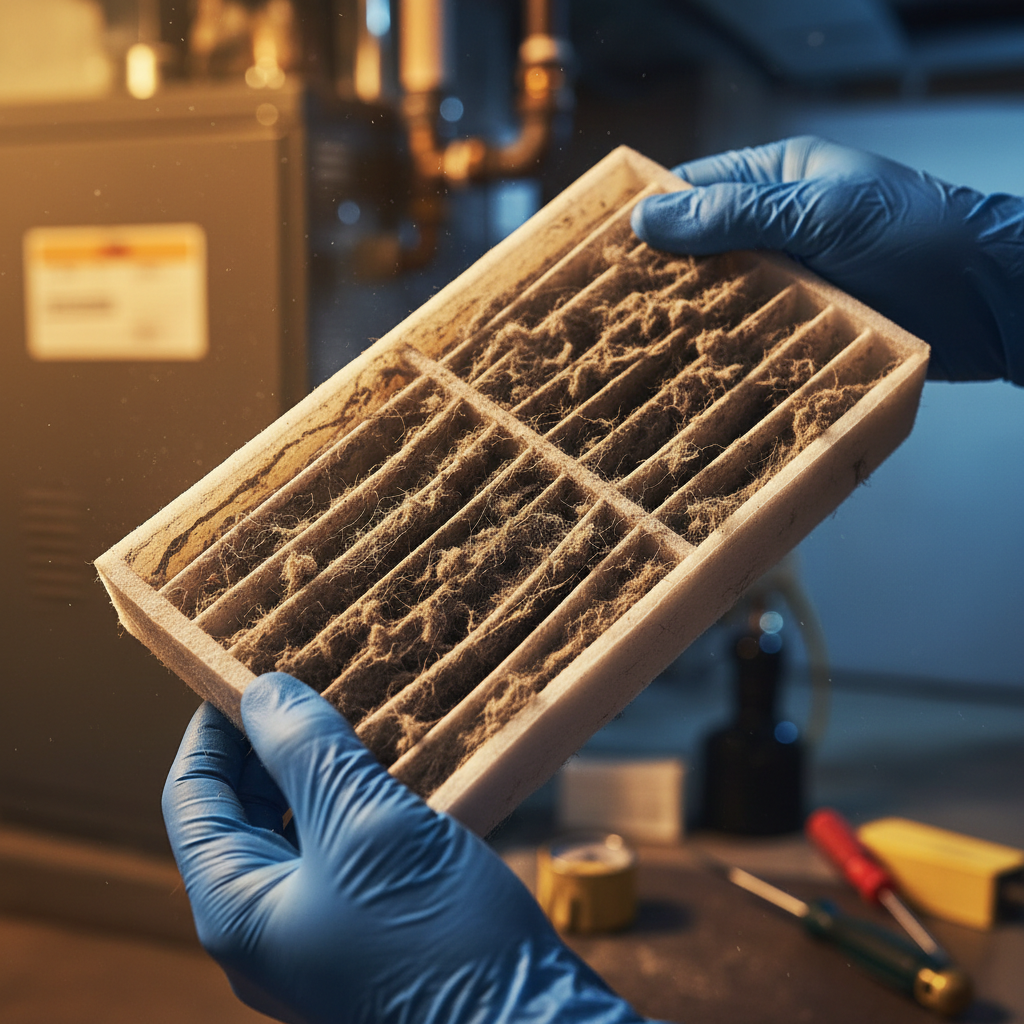
Using high-efficiency filters can improve air quality and system performance. Make sure to select the right size and type for your HVAC system to ensure optimal efficiency and longevity.
Seasonal HVAC Inspections
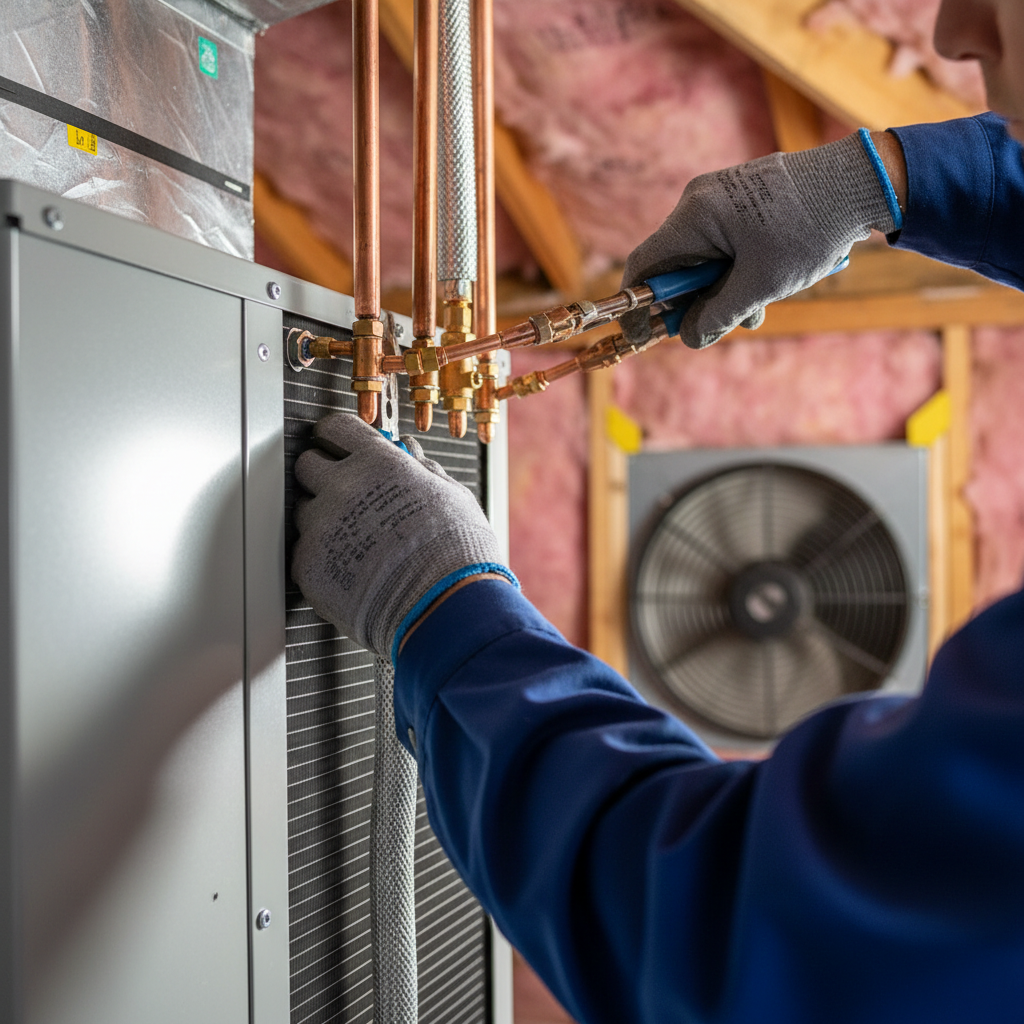
Scheduling seasonal inspections with a professional technician is crucial for maintaining the health of your HVAC system. These inspections typically happen in the spring and fall, ensuring your system is ready for extreme temperatures in the summer and winter.
During an inspection, technicians will check for any signs of wear and tear, clean components, and make necessary adjustments. This proactive approach can identify potential issues before they become costly repairs.
Keep Outdoor Units Clean
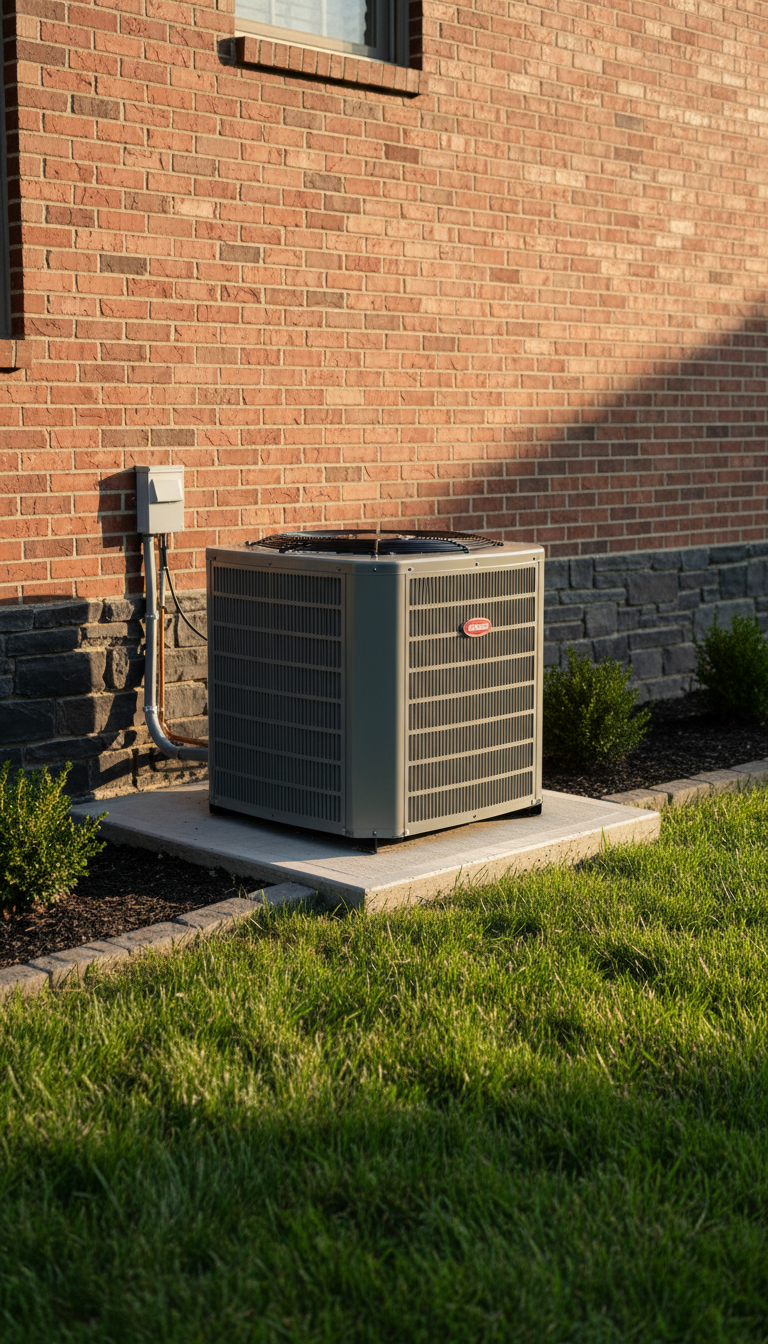
Outdoor HVAC units are exposed to the elements, which can lead to dirt and debris buildup. Keeping the area around the unit clean and clear can prevent airflow obstructions and system strain. Trim back plants and remove leaves or debris regularly.
It's also a good idea to gently clean the fins and coils with a garden hose. Be careful not to bend any components, as this can impact performance.
Thermostat Management
Proper thermostat management can significantly reduce HVAC strain and energy costs. Consider upgrading to a programmable or smart thermostat to optimize temperature settings based on your schedule and preferences.
By adjusting the temperature by a few degrees when you’re away or asleep, you can reduce system workload and extend its lifespan.
Ensure Proper Insulation
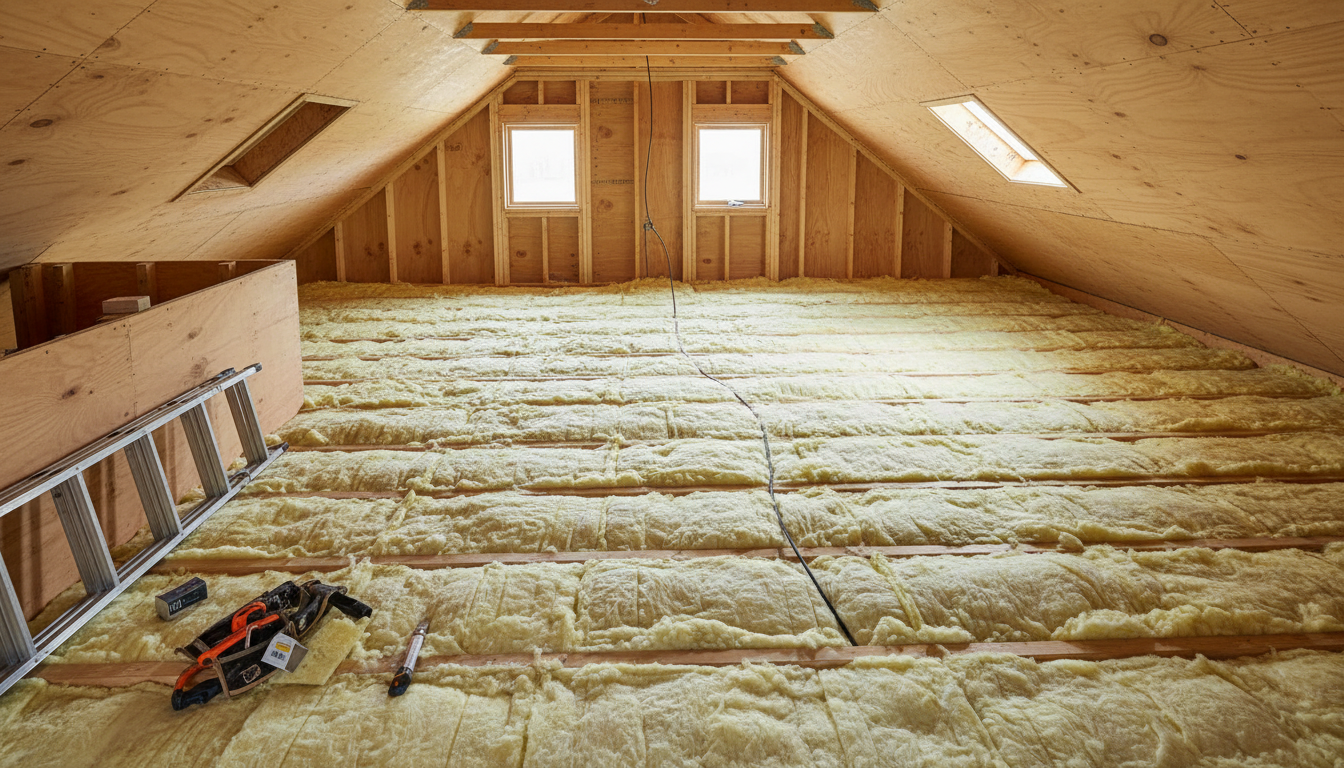
Insulation plays a key role in maintaining indoor temperatures and reducing HVAC demand. Check your home’s insulation, especially in the attic and around doors and windows, to ensure it’s adequate.
Sealing leaks and adding insulation can prevent conditioned air from escaping, allowing your HVAC system to operate more efficiently and reducing the likelihood of repairs.
Listen for Unusual Noises
If you hear unusual noises coming from your HVAC system, such as banging, clanking, or squealing, it could be a sign of a problem. Addressing these noises promptly with a professional inspection can prevent minor issues from escalating into major repairs.
These sounds often indicate loose parts, a failing motor, or other mechanical issues that require immediate attention.
Conclusion
By following these maintenance tips, you can significantly reduce the risk of costly HVAC repairs. Regular upkeep not only extends the lifespan of your system but also enhances its efficiency and performance. Investing a little time and effort into maintenance can save you money and ensure your home remains comfortable year-round.