Quick Appliance Fix Services: Top DIY Tips Before Calling the Pros
Quick Appliance Fix Services: Top DIY Tips Before Calling the Pros
When an essential home appliance breaks down, it can be tempting to immediately call in the professionals. However, before reaching for the phone, there are a few DIY tips that might save you time and money. In many cases, a simple fix can get your appliance back up and running.
Check the Power Supply
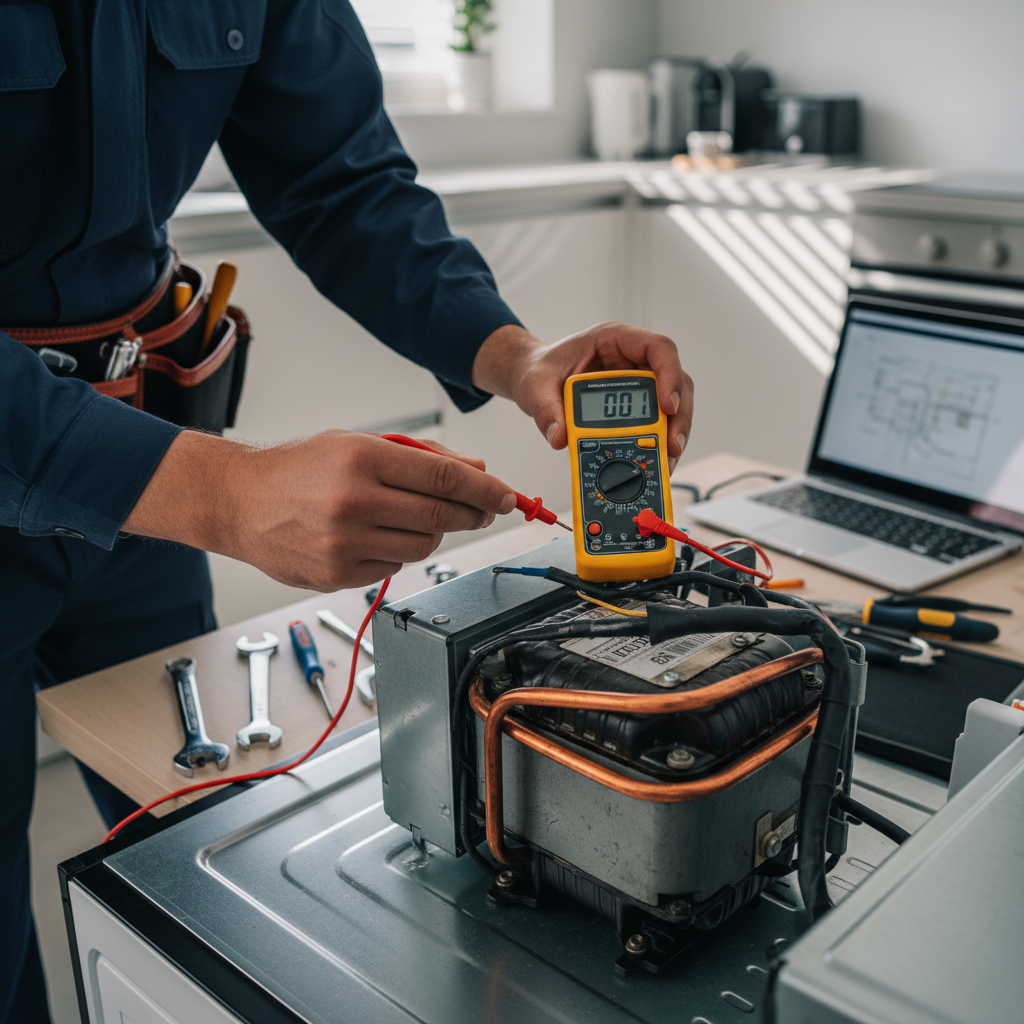
One of the most common reasons appliances stop working is due to power supply issues. Before doing anything else, make sure the appliance is plugged in securely and that the outlet is functioning. Test the outlet by plugging in a different device, or use a multimeter to check for power.
If the appliance still doesn't work, inspect the power cord for any visible damage. Frayed or damaged cords can often be repaired or replaced easily. Remember, safety first—unplug the appliance before inspecting the cord.
Inspect the Settings
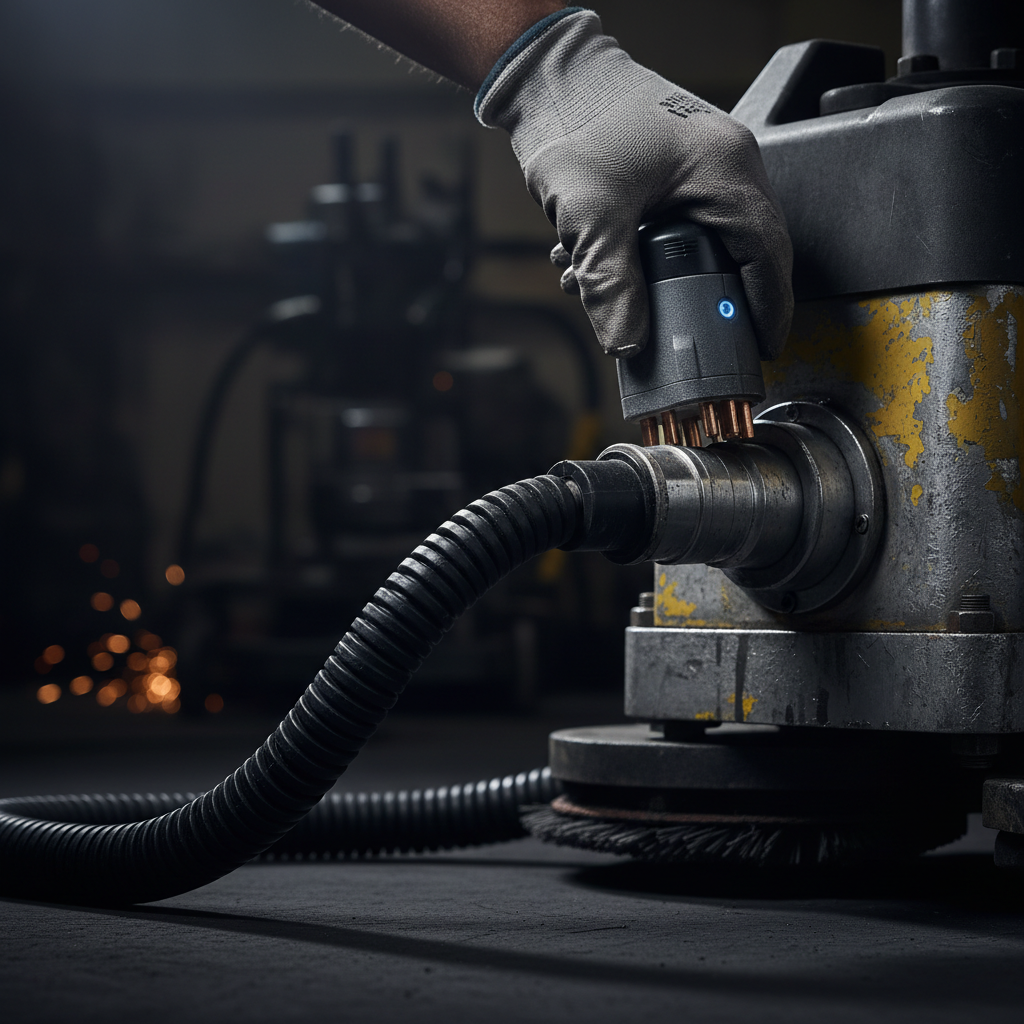
Sometimes the problem is as simple as incorrect settings. Double-check that all settings are configured correctly. For example, if your washing machine isn't starting, ensure the door is fully closed and the cycle is properly selected.
Resetting the appliance might also help. Unplug it for a few minutes and then plug it back in to see if it resolves the issue. This can often fix minor glitches in the system.
Clean and Maintain
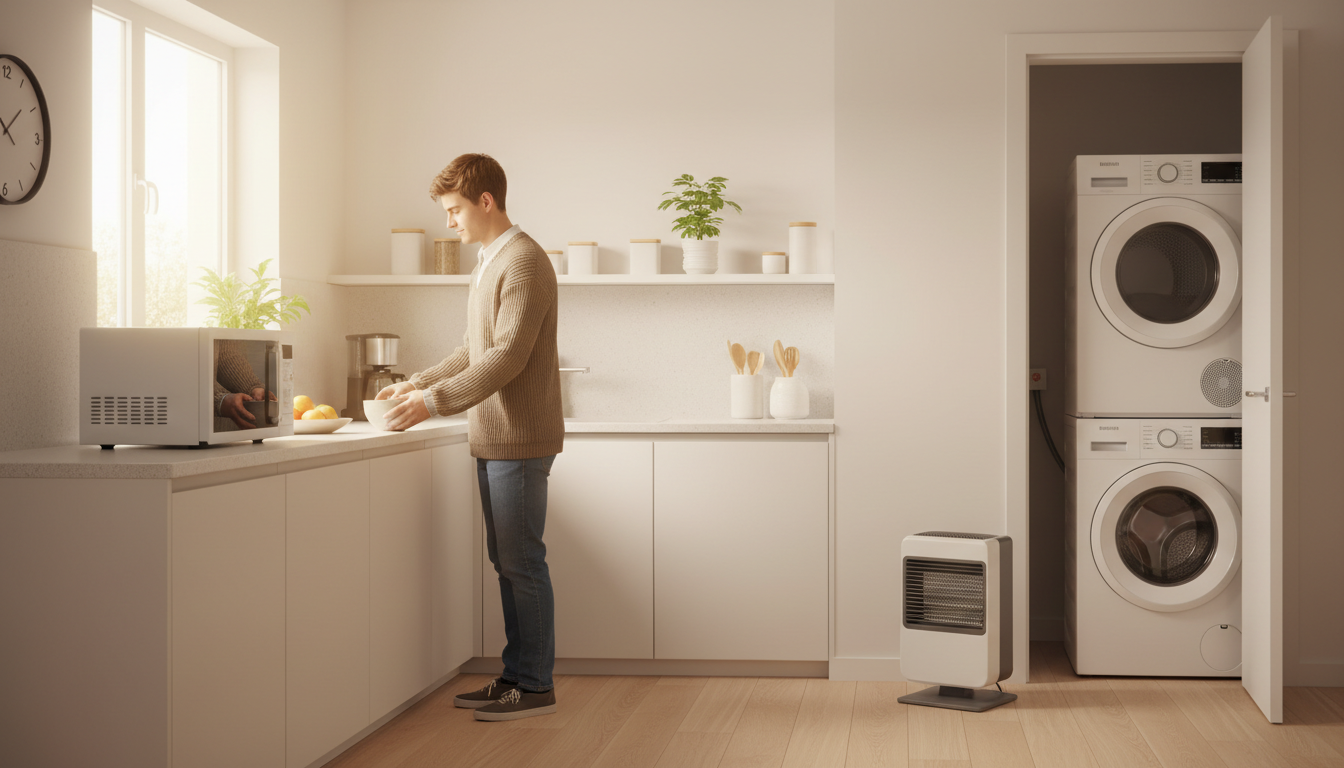
A buildup of dirt or debris can cause appliances to malfunction. Regular cleaning can prevent many common issues. For refrigerators, make sure the coils are clean. Dust and dirt can cause the compressor to overheat, leading to cooling problems.
For dishwashers, check the spray arms and filters for clogs. Clearing any obstructions can improve performance significantly. Regular maintenance not only fixes current issues but also extends the life of your appliances.
Examine the Components
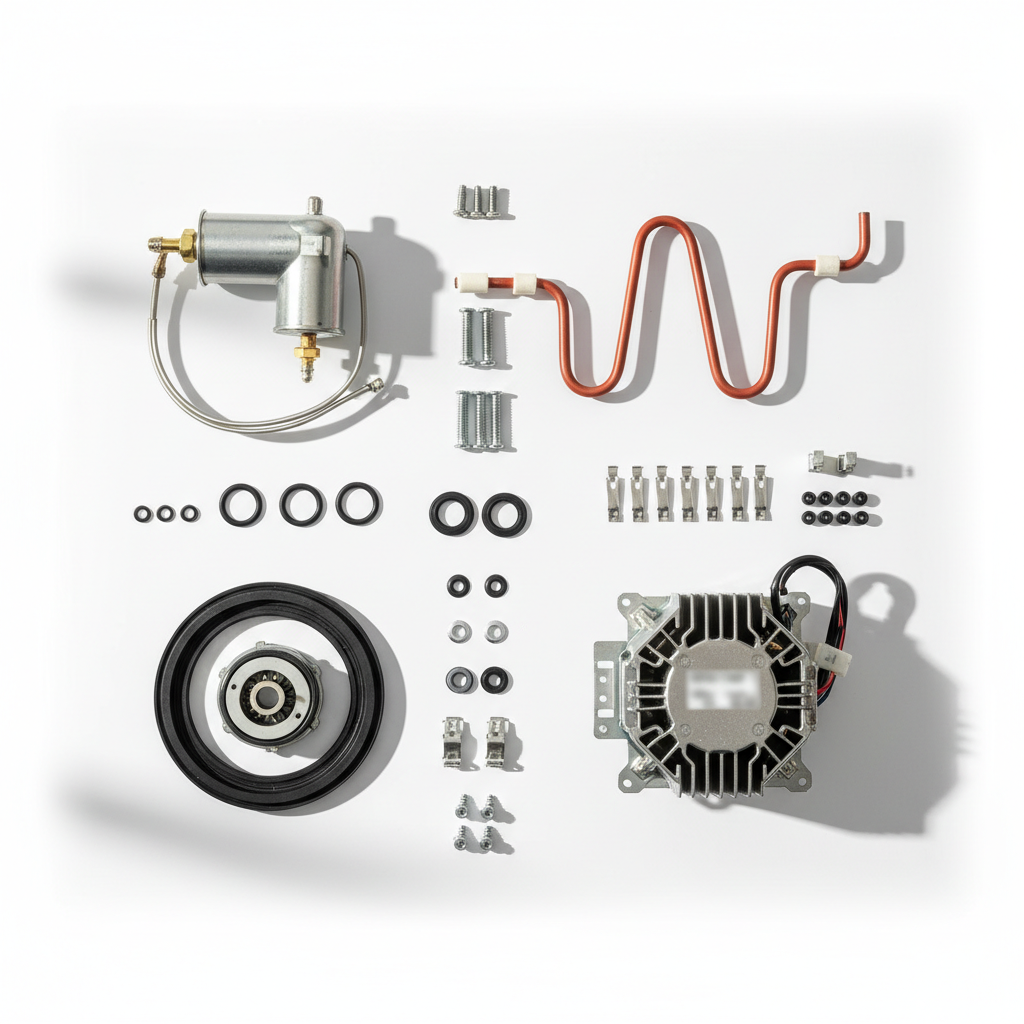
Inspecting the components of your appliance can sometimes reveal simple issues. For instance, if your dryer isn’t heating, the thermal fuse might have blown. Replacing it is often a straightforward task.
- Locate the faulty component.
- Consult the appliance's manual for guidance.
- Replace the part if necessary.
Always ensure the appliance is unplugged before examining any internal parts to prevent electric shocks.
When to Call the Professionals
While these DIY tips can solve many minor issues, there are times when professional help is necessary. If the problem involves complex electrical components or you’re unsure of the cause, it’s safest to consult a professional.
Additionally, if your appliance is under warranty, attempting a DIY fix might void it. Always check the warranty terms before proceeding with any repairs.
By trying these quick fixes, you might save yourself a service call. However, knowing when to call the pros ensures that your appliances are in safe hands, minimizing further damage and ensuring efficient repairs.