The Future of Smart Home Appliances: Trends and Innovations
Introduction to Smart Home Appliances
The evolution of smart home appliances is reshaping the way we interact with our living spaces. With advancements in technology, these devices are becoming more integrated and intuitive, offering a seamless experience for homeowners. From voice-activated assistants to automated cleaning solutions, the possibilities are endless.
Energy Efficiency and Sustainability
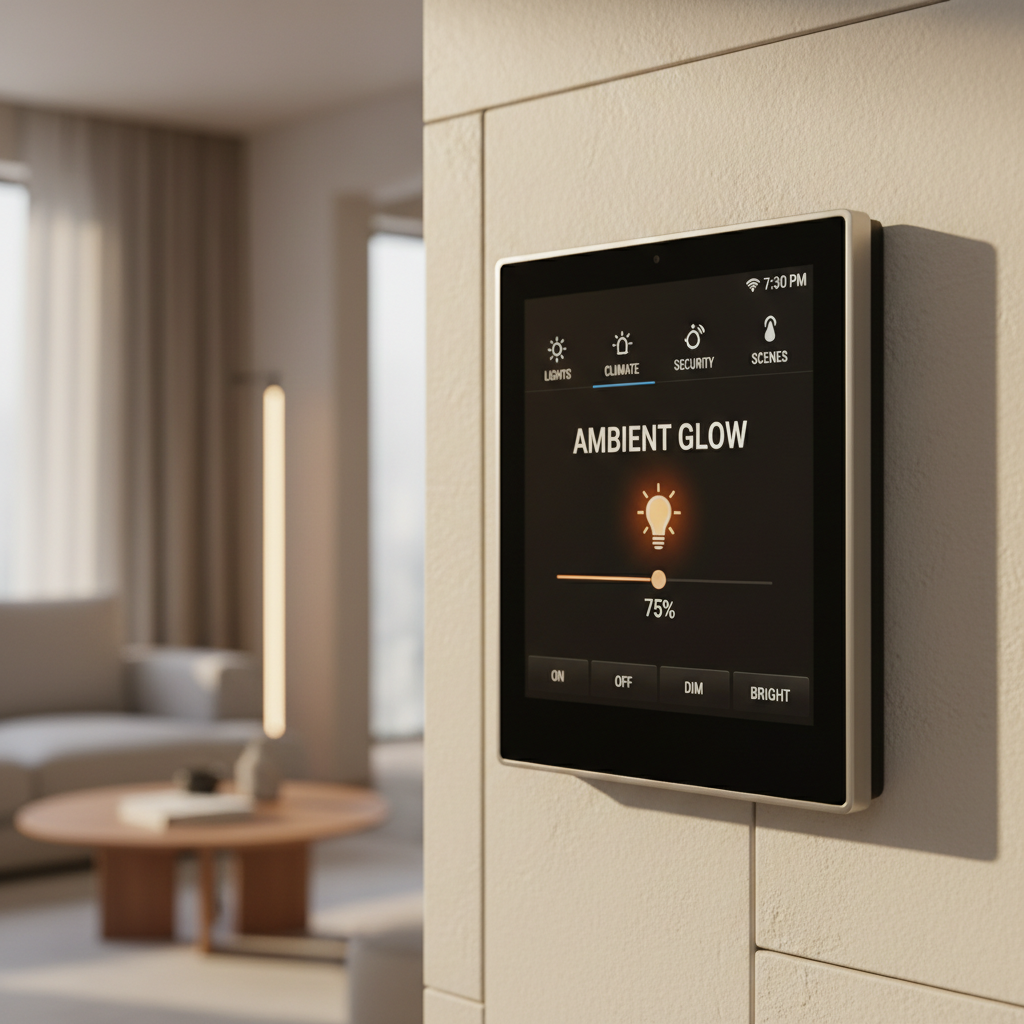
One of the most significant trends in smart home appliances is the focus on energy efficiency and sustainability. Modern appliances are designed to minimize energy consumption, helping homeowners save on utility bills and reduce their carbon footprint. Smart thermostats and energy-efficient refrigerators are leading the charge in this area.
These appliances can adjust their settings based on usage patterns and environmental conditions, ensuring optimal performance without wasting resources. This trend not only benefits the environment but also appeals to eco-conscious consumers looking to make a positive impact.
Integration with IoT
The integration of smart home appliances with the Internet of Things (IoT) is revolutionizing how we manage our homes. IoT-enabled devices can communicate with each other, creating a connected ecosystem that enhances convenience and security. For example, smart locks, lighting, and cameras can work together to provide comprehensive home security solutions.
Voice Control and Virtual Assistants
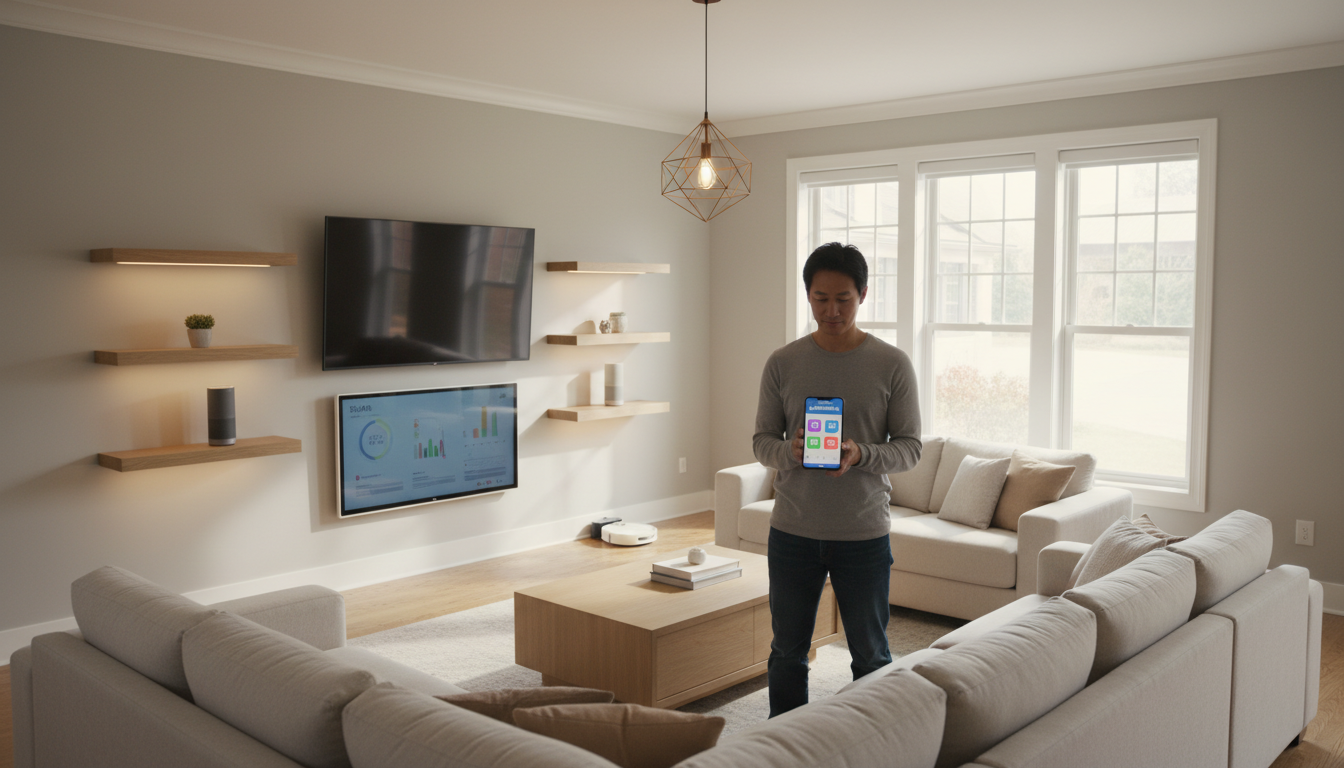
Voice control is rapidly becoming a standard feature in smart home appliances. Virtual assistants like Alexa, Google Assistant, and Siri allow users to control devices using simple voice commands. This hands-free approach makes it easier to manage tasks and improves accessibility for individuals with disabilities.
Artificial Intelligence and Machine Learning
The incorporation of artificial intelligence (AI) and machine learning in smart home appliances is driving innovation. These technologies enable devices to learn from user behavior, adapting their functions to meet individual preferences. AI-powered appliances can make predictive adjustments, such as suggesting meal recipes based on available ingredients or adjusting lighting based on time of day.

Enhanced Connectivity and Remote Monitoring
Enhanced connectivity allows homeowners to monitor and control their appliances from anywhere in the world. With smartphone apps and web interfaces, users can check the status of their devices, receive alerts, and perform remote diagnostics. This level of control enhances convenience and provides peace of mind.
Future Innovations
The future of smart home appliances promises even more exciting innovations. We can expect to see advancements in robotics, with appliances that can perform complex tasks autonomously. Additionally, the integration of augmented reality (AR) could provide users with interactive interfaces for managing their appliances.
As technology continues to evolve, smart home appliances will become more personalized, efficient, and essential to modern living. Embracing these trends can lead to a smarter, more connected home that enhances the quality of life for its inhabitants.