What to Do When Your Fridge Stops Working: A Quick Guide
Assess the Situation
Your refrigerator is an essential appliance, and when it stops working, it can be a real headache. The first step is to assess the situation calmly. Check if there are any obvious signs of trouble, such as a lack of power or unusual noises. Make sure the fridge is properly plugged in and that the outlet is functioning.

Check the Power Supply
If your fridge isn’t running, the power supply might be the issue. Ensure that the power cord is securely plugged into a working outlet. You can test the outlet by plugging in another appliance. If the outlet is not working, check your home’s circuit breaker or fuse box to see if a switch has tripped or a fuse has blown.
Examine the Thermostat
Another common issue is a misconfigured thermostat. Open the fridge and locate the temperature settings. Ensure that the thermostat is set to the right temperature and hasn’t been accidentally adjusted. Typically, the ideal temperature is between 37°F and 40°F (3°C to 4°C) for the fridge, and 0°F (-18°C) for the freezer.

Inspect the Door Seals
Faulty door seals can also cause your refrigerator to stop cooling efficiently. Examine the seals for any signs of wear or damage. If they're not sealing properly, cold air can escape, causing the fridge to work harder and potentially fail. Clean the seals with warm, soapy water and make sure they are free from debris.
Check for Blocked Vents
Proper airflow is crucial for your fridge’s performance. Ensure that the vents inside the fridge and freezer compartments are not blocked by food items. Blocked vents can prevent the proper circulation of cold air, leading to an inefficient cooling process.

Listen for Unusual Noises
Strange noises can be a sign of mechanical issues. If you hear unusual sounds, it may be due to a malfunctioning fan or compressor. While some noise is normal, persistent or loud noises should be addressed by a professional.
Schedule a Professional Repair
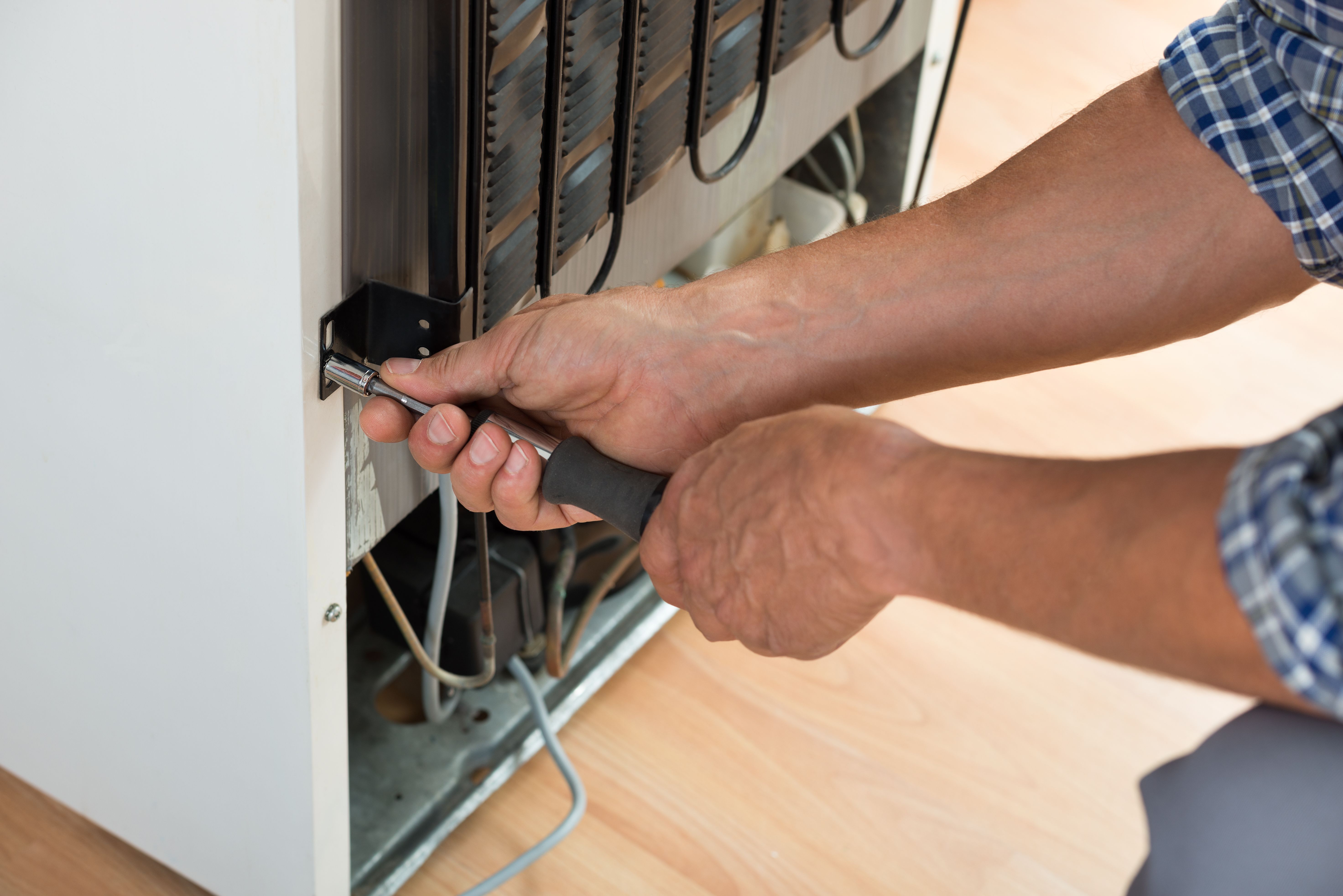
If you’ve tried the above solutions and your fridge still isn’t working, it may be time to call a professional. A qualified technician can diagnose the problem and recommend necessary repairs. It’s important to address issues promptly to prevent food spoilage and further damage.
Preventive Measures
To avoid future issues, perform regular maintenance on your refrigerator. Clean the coils, check the seals, and ensure proper airflow. Regular maintenance can extend the life of your appliance and keep it running efficiently.
By following these steps, you can address common refrigerator issues and determine when professional help is needed. Keeping your fridge in top condition ensures your food stays fresh and your appliance lasts longer.